
Hawaii Public Records Database
Hawaii public records open up court files, land deeds, police reports, tax rolls, and vital documents from every island. The state's open records law, known as UIPA, gives any person the right to ask for these files. You can search Hawaii public records online through sites like eCourt Kokua, qPublic, and agency portals. The tools work at both the state and county level. A walk-in visit to a courthouse or clerk office is also an option. This guide points you to the right office on each island and shows how to file a request for records held by state or county agencies in Hawaii.
Hawaii Public Records Overview
What Are Hawaii Public Records
Hawaii public records are documents held by a state or county agency that the law makes open to any person. The public records rule in Hawaii covers paper records, emails, data sets, photos, maps, and video records. Court records, land records, business records, tax records, police records, and meeting records all count as public records. Hawaii law treats each type of public record the same way. An agency can only hold back a public record when a specific statute says so.
The main Hawaii public records statute is the Uniform Information Practices Act, Chapter 92F of the Hawaii Revised Statutes. The act passed in 1988 and set up the Hawaii Office of Information Practices, or OIP. The OIP helps agencies follow the public records law and helps the public get records. Under HRS §92F-11, every government record is open unless a law says it is closed.
To view the UIPA source material, visit the Hawaii Office of Information Practices UIPA page, which walks through each part of the Hawaii public records law.
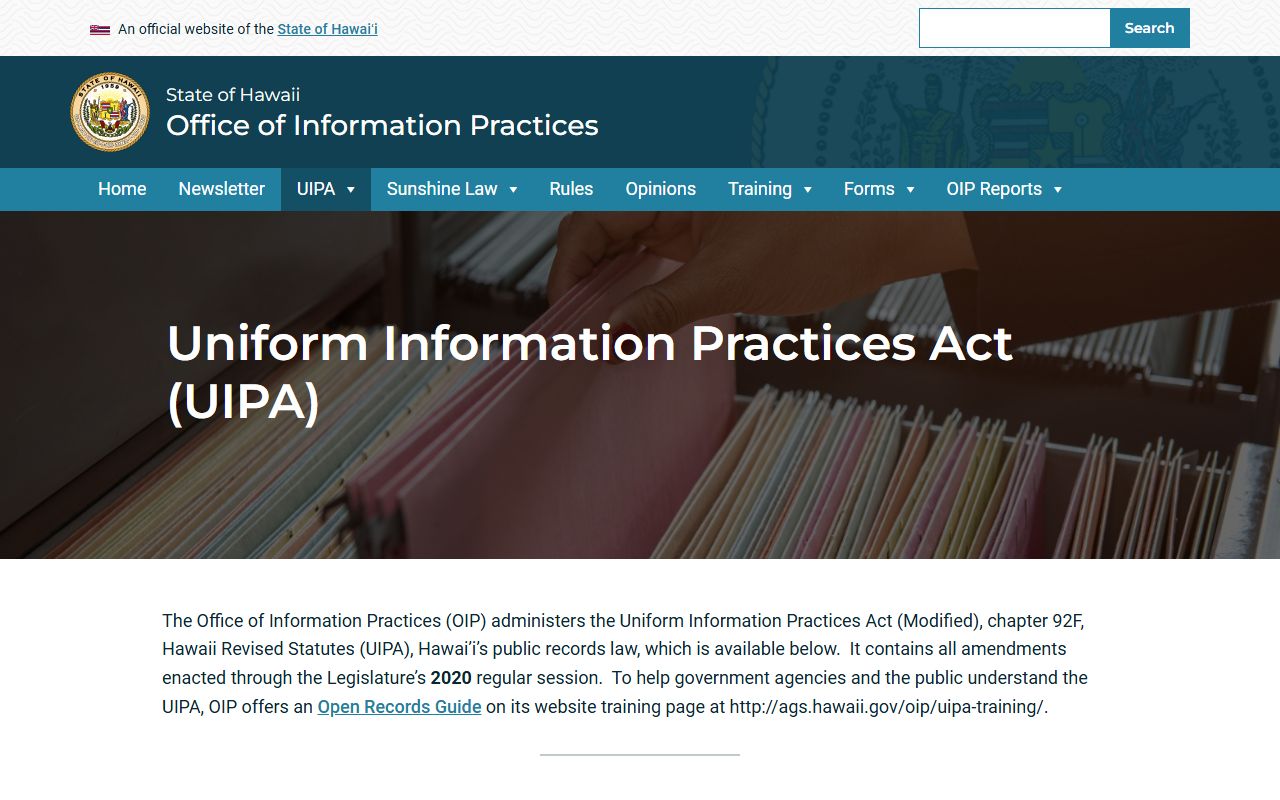
The OIP Hawaii public records portal links to training records, model forms, and past records opinions on what counts as a public record in Hawaii. The OIP rules and records opinions page explains how agencies must handle records requests.
UIPA and Your Right to Public Records
Under HRS §92F-2, the public records law has five goals. It aims to promote the public's interest in records disclosure, to keep records accurate, and to hold government accountable through records access. It also seeks to make sure the public can see how agencies use personal data in their records. The law tries to balance privacy with the need for open public records. Most of the time, the balance tips toward records access.
HRS §92F-12 lists records that every agency must make open without a request. This list covers final opinions, rules, bid results, land transfer records, meeting minutes, payroll records on public works, permit rosters, water use records, and more public records. You can read about the public records rules at the DCCA open records page. Section 92F-13 lists the few cases where an agency may hold back a record, such as when release would invade privacy or block a court case.
The Hawaii Department of Commerce and Consumer Affairs open records portal shows how a typical UIPA records request works at the agency level.
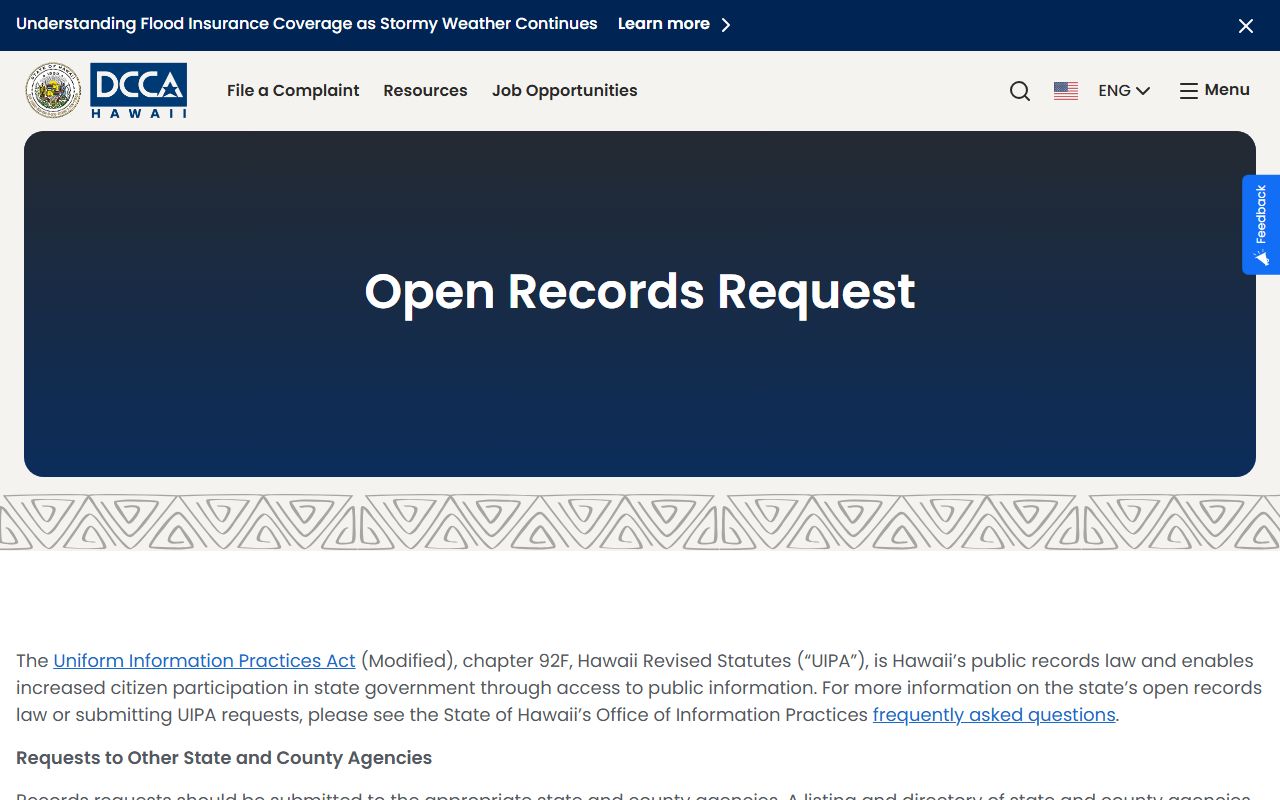
Fill out the public records form, send it in, and track your reply. Most agencies aim to reply to public records requests within ten business days.
HRS §92F-14 lists the kinds of facts in records that count as private. Medical records, welfare records, police lead records, and full Social Security numbers all fall under privacy. The law still lets an agency release a record if the public need clearly outweighs the privacy risk. Every public records case gets weighed on its own facts.
Hawaii Public Records in the Courts
The Hawaii State Judiciary runs eCourt Kokua, the main public records portal for court case data. The court records system covers traffic, District and Circuit Court criminal, Family Court, civil, Land Court, Tax Appeal Court, and appellate records. You can search court records by party name, vehicle VIN, license plate, case ID, or citation number. Basic case records are free to view. Copies of court records cost $3 each, and certified records cost $5 each.
The court records system uses four circuits. Circuit 1 covers Oahu and holds Honolulu records. Circuit 2 covers Maui, Molokai, and Lanai. Circuit 3 covers Hawaii Island. Circuit 5 covers Kauai. When you search records, you must include the circuit digit and pad the case ID with leading zeros to 12 characters. For example, case 12345 on Oahu becomes 1PC000012345 in the court records system.
To start a court records search, visit the Hawaii State Judiciary eCourt Kokua portal for case record lookup.
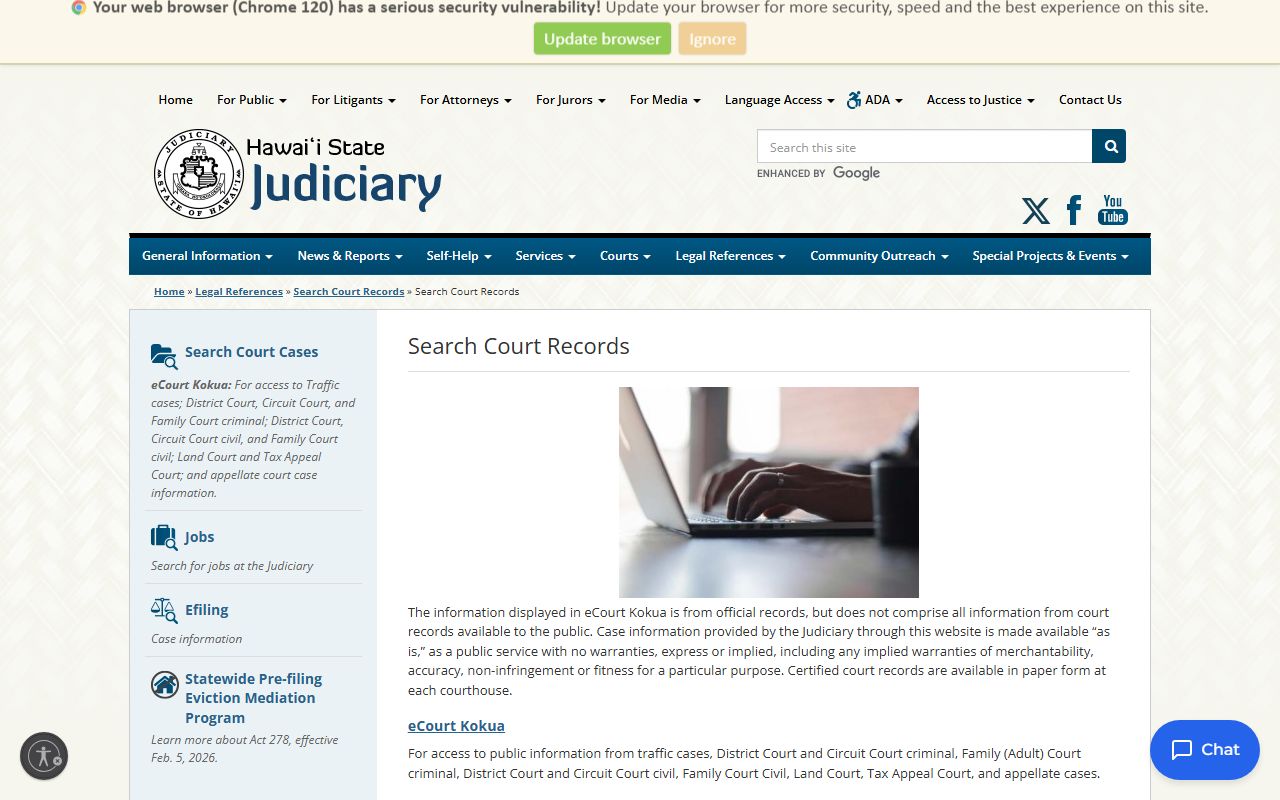
The records page lets you pick Party Search, Vehicle Search, or Case Search and shows case records right on screen.
A few limits apply to court records. Traffic records before November 1995 are not online. District Court criminal records before August 2012 are not on the portal. Appellate records before September 2010 are also offline. If a record shows a PDF icon, you can buy a copy of the public record right away. Purchased records are ready within three business days after filing. Power users may pay for a records subscription. It costs $125 per quarter or $500 per year and unlocks unlimited single downloads from Hawaii public records.
Note: Certified paper records are also sold at the clerk's counter in each circuit courthouse for anyone who needs a stamped public record.
Hawaii Land and Property Records
Hawaii keeps land records at both the state and county level. The state's Bureau of Conveyances holds Hawaii deed records, mortgage records, lease records, lien records, and court judgment records. The Hawaii Bureau of Conveyances records date back to 1846. Each Hawaii county Real Property Tax office keeps tax map records, assessed value records, and owner records for parcels on its island. You can look up a Hawaii parcel by its Tax Map Key, or TMK, which is Hawaii's unique parcel ID within the property records system.
A Hawaii TMK reads as a set of numbers split by dashes. The format is Zone-Section-Plat-Parcel. Each Hawaii county search tool may ask for the TMK record with or without dashes. Leave out the street suffix like "Street" or "Road" when you search Hawaii records by address. For Hawaii condos, the same land TMK may tie to many unit records.
The Hawaii Department of Land and Natural Resources manages state land records, forest reserve records, and conservation district records.
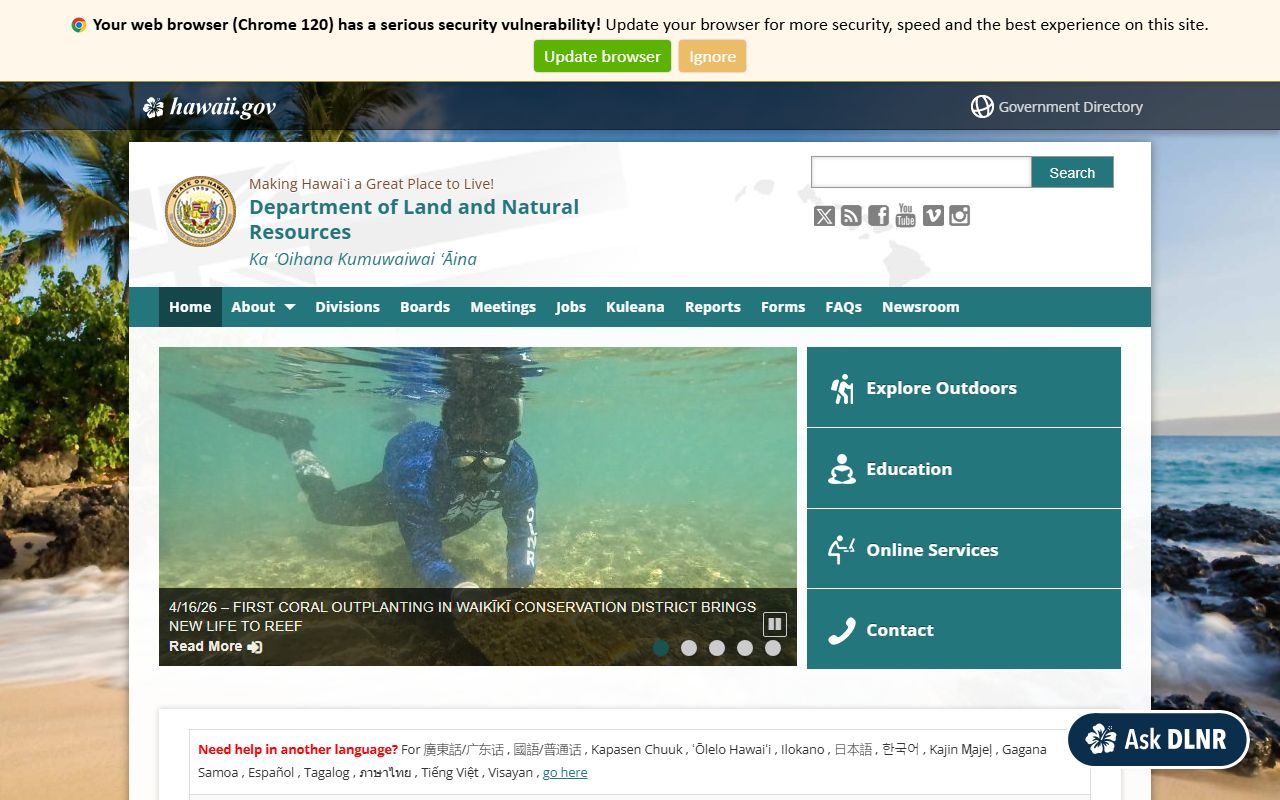
The Hawaii DLNR portal links to land survey records, Land Court records, and public hearing records on Hawaii state land use.
Hawaii Vital Records
The Hawaii Department of Health runs the state Office of Health Status Monitoring. That Hawaii office keeps birth records, death records, marriage records, and civil union records. Effective February 1, 2026, the Hawaii Department of Health no longer keeps divorce records. For court decree records, you must go to the Hawaii circuit court that heard the case. The main Hawaii vital records office sits at 1250 Punchbowl Street, Room 103, in Honolulu.
Only people with a direct and tangible interest can get a certified copy of a Hawaii vital record. That list includes the person named on the Hawaii record, a spouse, parent, child, sibling, grandparent, aunt or uncle, cousin, legal guardian, or estate representative. Adoptive parents, people with a court order, and those who need the Hawaii record for an alimony or death benefit claim also qualify. Call (808) 586-4539 or email doh.issuanceQuery@doh.hawaii.gov for help with a Hawaii vital records request.
The Hawaii Department of Health Vital Records site walks through the full process for ordering a Hawaii certificate record.
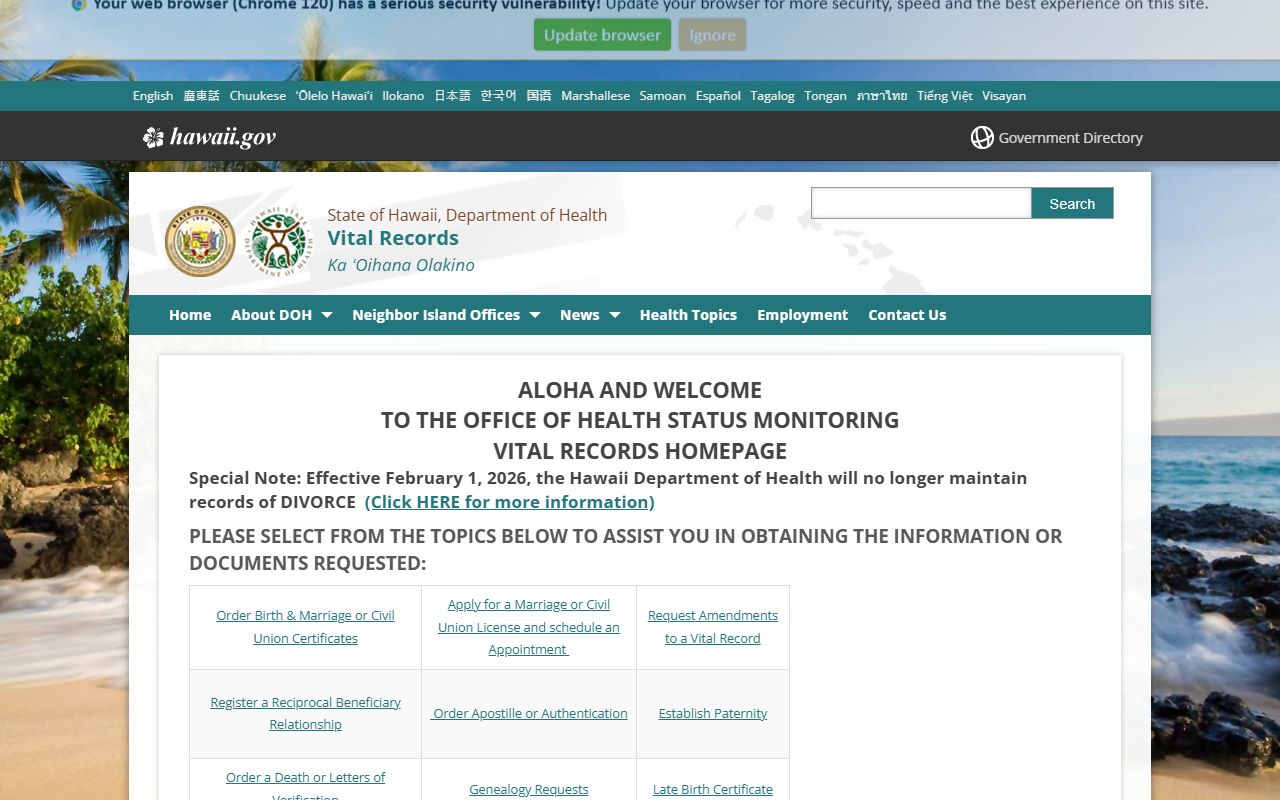
Online Hawaii records orders work statewide. In-person visits run Monday through Friday, 7:45 a.m. to 2:30 p.m. Appointments are welcome at the Hawaii records office.
For a broader view of Hawaii state health records, start at the main Hawaii Department of Health site.
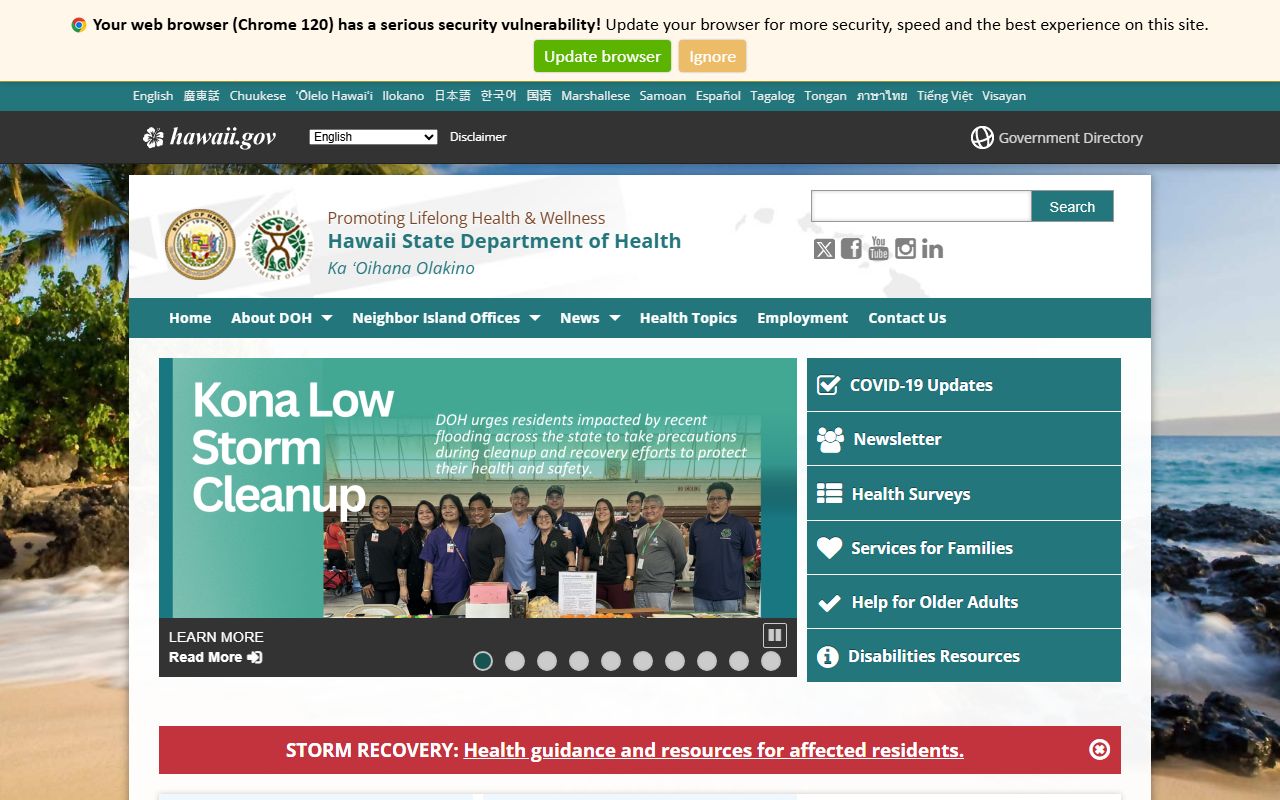
The Hawaii portal links to food safety records, disease records, and environmental test records that fall under Hawaii UIPA rules.
Hawaii Public Records by Agency
Many Hawaii state agencies hold public records that you can ask to see. The Hawaii list below points to the most common sources of public records in Hawaii.
- Hawaii Attorney General for legal opinion records and Hawaii case records
- Hawaii Department of Taxation for Hawaii tax records and rulings
- Hawaii Department of Labor for Hawaii workplace records and wage records
- Hawaii Department of Human Services for Hawaii social program records
- Hawaii Department of Transportation for Hawaii road, airport, and harbor records
The Hawaii Attorney General's office handles legal work for state agencies and posts public records opinions on open records questions.
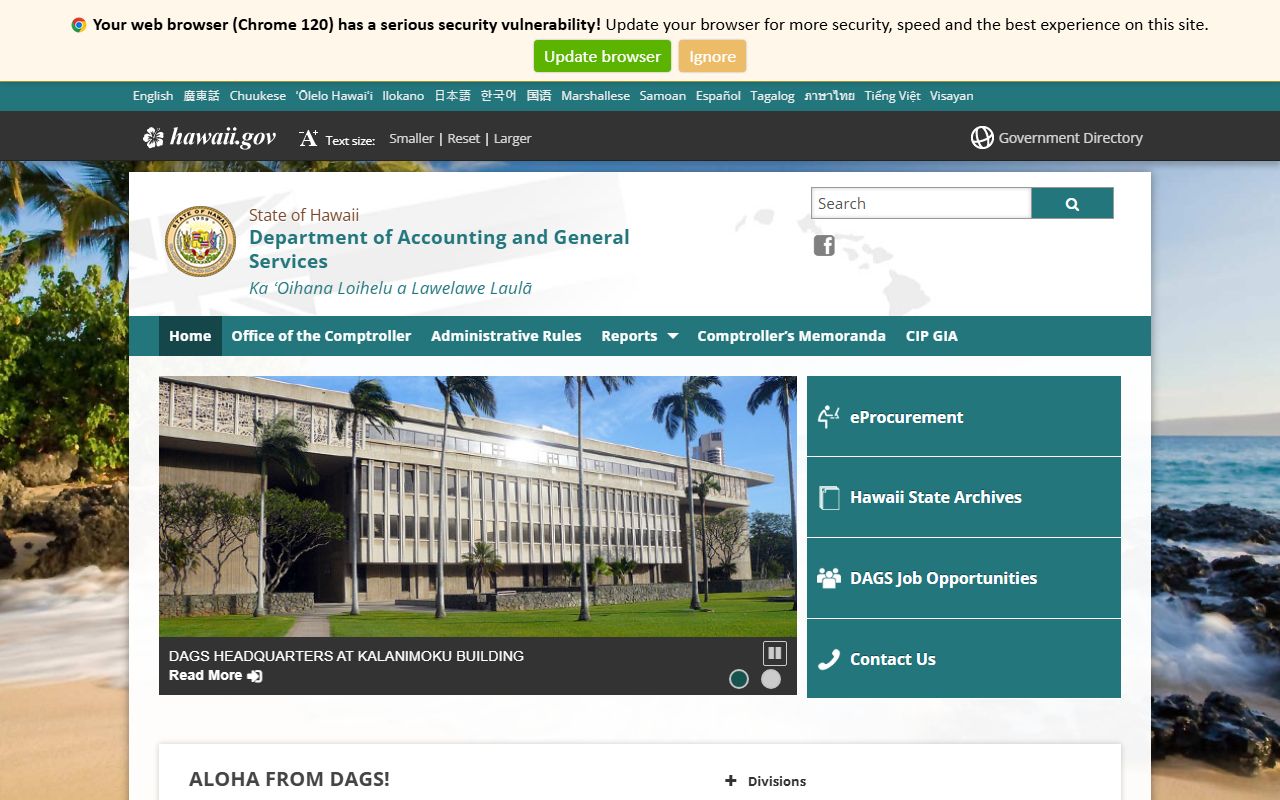
You can read past records rulings and learn how the AG's team advises agencies on UIPA public records questions.
Tax records in Hawaii come from the Hawaii Department of Taxation. The tax site lists filed tax records, rule records, and tax clearance records.
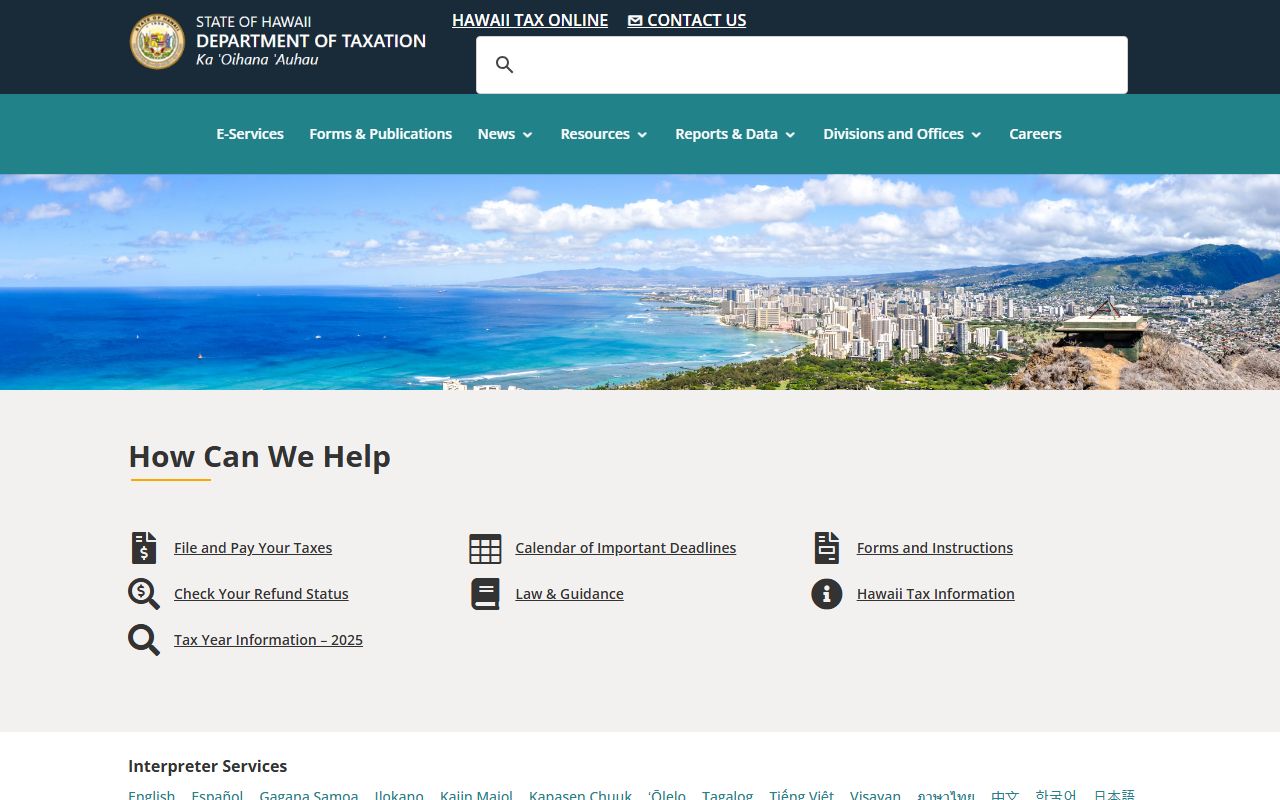
The tax department keeps records on state filings and publishes ruling records that apply to all filers.
Wage claim records, labor board records, and safety records sit with the Hawaii Department of Labor and Industrial Relations.
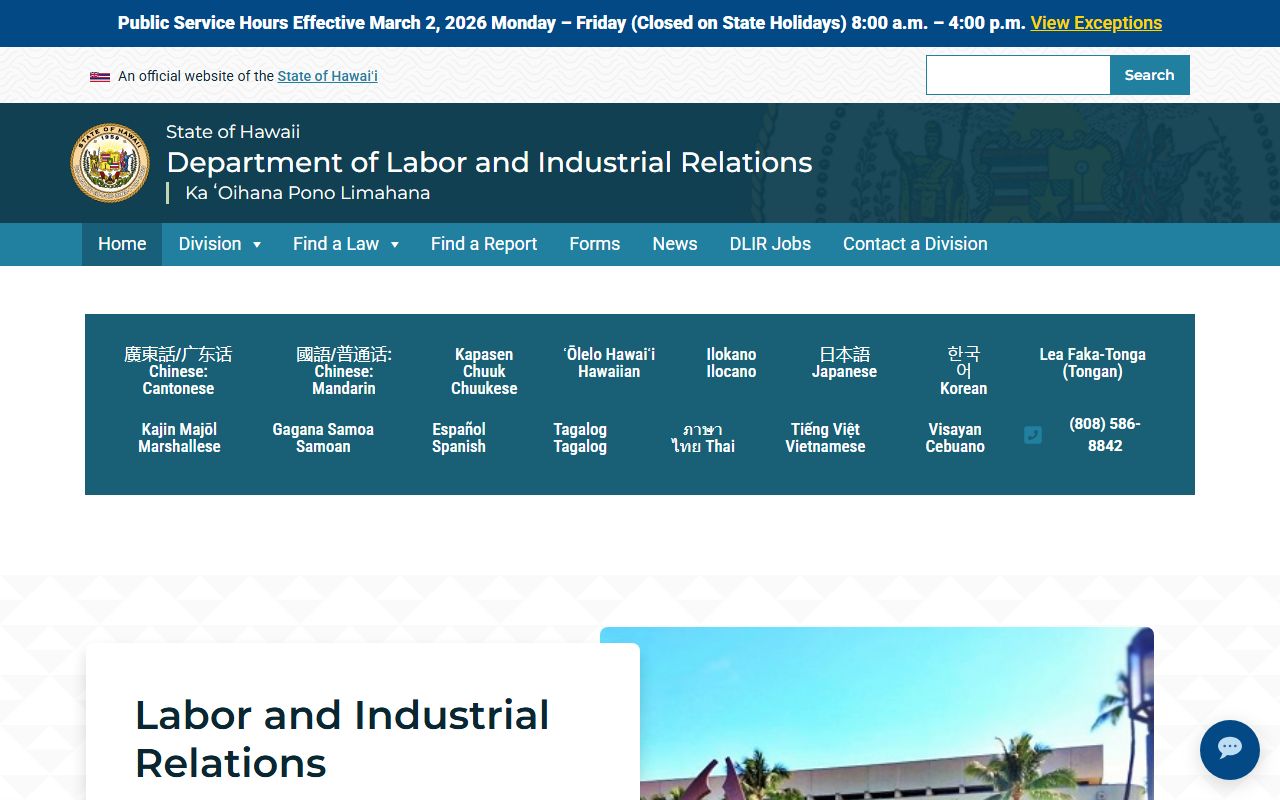
The labor agency posts Unemployment Insurance records and worker rights records open to the public.
Social service records, child welfare records, and benefit records sit with the Hawaii Department of Human Services.
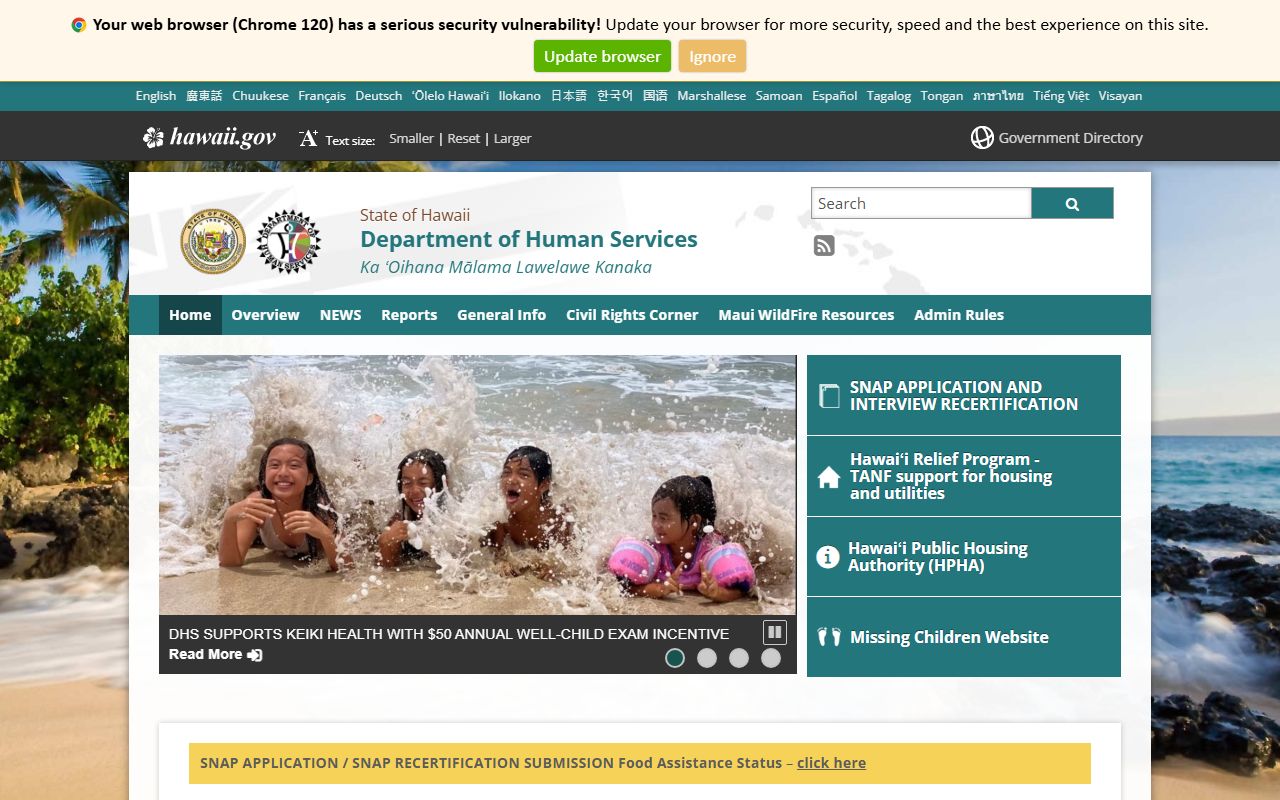
The DHS portal links to SNAP records, Med-QUEST records, and adult protective service records that count as Hawaii public records.
Airport records, harbor records, and highway records rest with the Hawaii Department of Transportation.
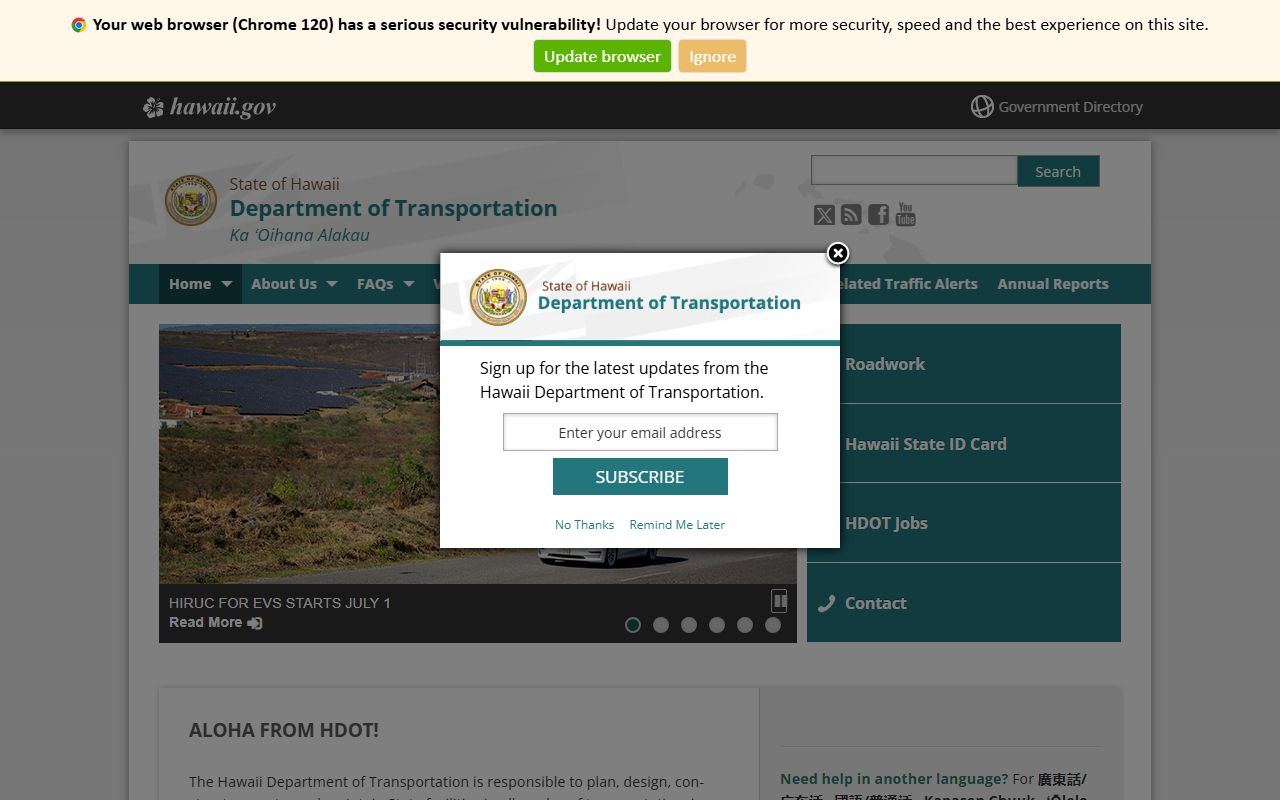
The DOT publishes traffic records, capital project records, and airport operation records.
Tools for Hawaii UIPA Records Requests
A free Hawaii portal called UIPA.org helps you draft and track Hawaii open records requests to state and county agencies. The Hawaii site lets you pick an agency, write your public records request, and log replies. Many Hawaii HPD records, planning records, and tax records requests use it. Each Hawaii public records request gets a status tag such as Successful, Refused, Overdue, or Not Held. The public log lets you see what other Hawaii residents have asked for in the records system.
Start a Hawaii records request at the UIPA Request Portal, which drafts Chapter 92F records letters for you.
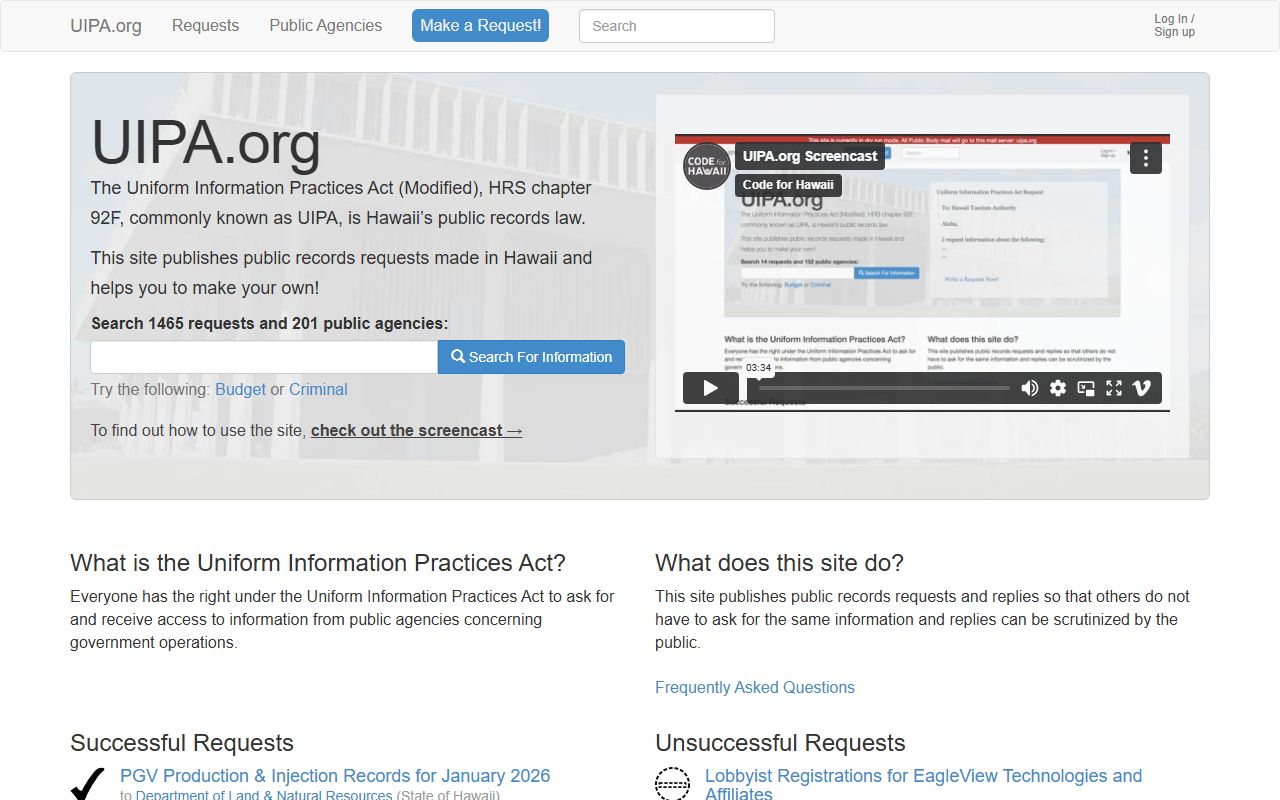
The Hawaii tool tracks your records request and holds the agency to the ten-day deadline for a first reply on public records.
Tip: Write a clear, short description of the Hawaii records you need and the time range. Less guesswork for the Hawaii agency means faster records replies.
Fees for Hawaii Public Records
There is no charge to file a Hawaii UIPA records request. A Hawaii agency can charge to search, review, and redact records, but only up to actual cost. Most Hawaii agencies waive these records costs for small requests. You will see fees when you order copies of Hawaii court records, land records, or vital records. Hawaii court records copies cost $3 each or 10 cents per page, whichever is higher. Certified Hawaii court records cost $5 each plus 10 cents per page.
Hawaii vital records cost varies by type. A certified Hawaii birth or death record runs about $10 to $20. Hawaii police records copies usually cost 50 cents for the first page and 25 cents for each page after that. Hawaii county property records are often free to view online. Paper records from the Hawaii Bureau of Conveyances carry their own fees.
Note: Hawaii public records costs can change. Check each Hawaii agency site for the latest records fee schedule before you order a record.
Hawaii Public Records by County
Each county runs its own clerk, police, and tax office. Pick a county to see local UIPA contacts, court links, and property search tools for that island.
Public Records in Major Hawaii Cities
City and town pages point you to the right district station, property office, and court for your area.